

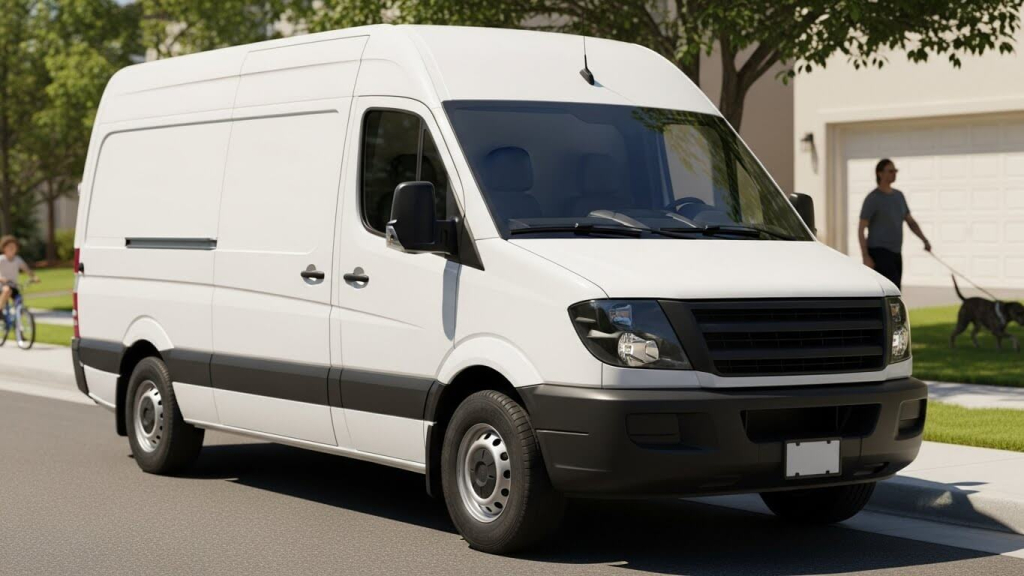
They are everywhere now. White vans with corporate logos, unmarked rental trucks loaded with packages, drivers rushing from stop to stop with handheld devices and tight schedules. Delivery vehicles have become a fixture of daily life, weaving through neighborhoods, double-parking on busy streets, and making countless stops from dawn to dusk. The convenience of next-day shipping and doorstep delivery has transformed how we live, but it has also introduced new dangers on our roads.
If you have been hit by a delivery truck or van, you know the impact can be just as serious as any other collision. Injuries, medical bills, lost work, and the stress of dealing with a large corporation or its insurer can leave you feeling overwhelmed. Understanding delivery truck and van accidents, who is responsible, and how to protect your rights is the first step toward getting the answers and compensation you deserve.
This guide explains what makes delivery vehicle crashes unique, the common causes, the parties who may be liable, and the steps you can take to build a strong claim.
Key Takeaways
Delivery truck and van accidents are on the rise as online shopping and home delivery grow. These crashes often happen in residential areas, parking lots, and busy streets where pedestrians, cyclists, and other drivers are at risk. Liability can be complicated because many delivery drivers are classified as independent contractors, but companies can still be held responsible. Tight delivery schedules, distracted driving, and inadequate training are common contributing factors. Injuries can range from minor to catastrophic, and compensation should cover medical bills, lost income, pain and suffering, and future needs. Early legal guidance helps preserve evidence and protect your claim.
The Rise of Delivery Vehicle Traffic
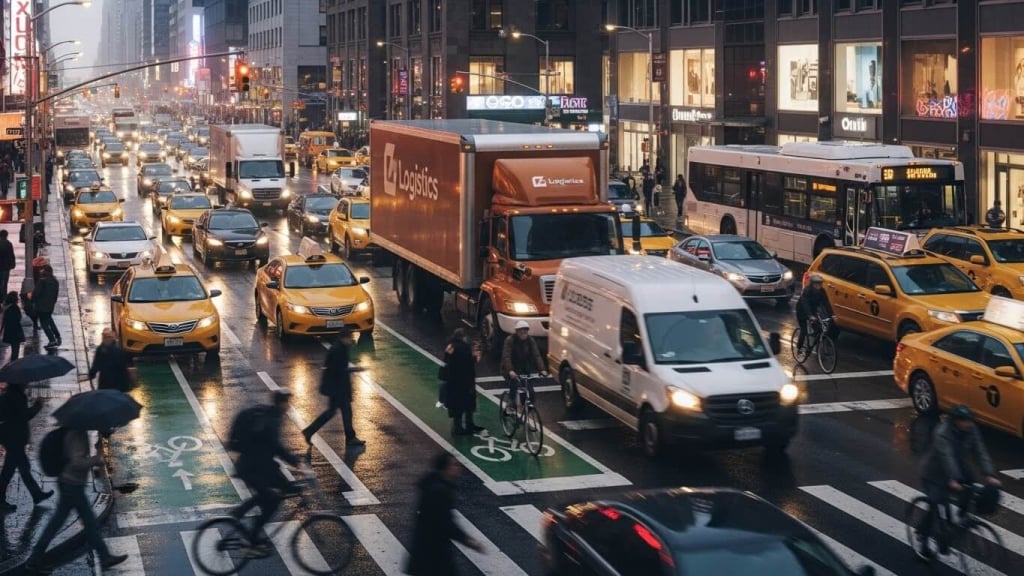
The explosion of online shopping has changed the landscape of our streets. Major carriers like Amazon, FedEx, UPS, and the United States Postal Service operate fleets of delivery vehicles that make millions of stops every day. Beyond these household names, countless smaller companies, gig economy platforms, and independent contractors are also on the road, delivering groceries, meals, prescriptions, and packages of all kinds.
This surge in delivery traffic has brought a corresponding increase in accidents. Delivery drivers are under constant pressure to meet tight schedules and delivery quotas. They navigate unfamiliar neighborhoods, make frequent stops, and often work long hours. Many are distracted by handheld devices that guide their routes and track their progress. Some lack adequate training or experience. The result is a growing number of collisions involving delivery trucks and vans.
Where and How Delivery Vehicle Accidents Happen
Delivery vehicle crashes often occur in dense traffic areas where vulnerable road users are present. Residential streets, shopping centers, apartment complexes, and urban corridors are common sites. Unlike highway crashes involving large commercial trucks, delivery accidents often occur at lower speeds in areas where pedestrians, children, cyclists, and parked cars are nearby.
Common scenarios include a delivery driver backing out of a driveway or parking space without checking mirrors or cameras, striking a pedestrian, a cyclist, or another vehicle. A driver may run a stop sign or red light while rushing to the next stop. Distracted driving is a major factor, as drivers glance at devices, search for addresses, or scan packages while the vehicle is in motion. Drivers may make unsafe lane changes, fail to yield, or park illegally, creating hazards for others. Fatigue is also an issue, especially during peak seasons when drivers work extended shifts.
Delivery vans are often larger and heavier than passenger cars, and their drivers may have blind spots that make it hard to see smaller vehicles, motorcycles, or people on foot. When a collision occurs, the size and weight difference can lead to serious injuries.
Common Causes of Delivery Truck and Van Accidents
Several factors contribute to the high rate of delivery vehicle crashes. Pressure to meet delivery targets and stay on schedule can lead drivers to speed, take risks, or skip safety checks. Distraction from handheld devices, GPS units, and package scanners takes attention away from the road. Inadequate training means some drivers lack the skills to operate larger vehicles safely, especially in tight spaces or heavy traffic. Fatigue from long hours and physically demanding work impairs reaction time and judgment. Poor vehicle maintenance, such as worn brakes or tires, can cause mechanical failures. Overloaded vehicles can affect handling and stopping distance. Unfamiliarity with routes and neighborhoods can lead to sudden stops, wrong turns, and confusion.
Understanding the cause of your crash is essential because it points to who is responsible and what evidence will support your claim.
Who Is Liable in a Delivery Vehicle Accident
Determining liability in a delivery truck or van accident can be complicated. The driver is often the most obvious party, but they may not be the only one responsible.
If the driver was negligent, such as by speeding, running a red light, or driving while distracted, they can be held liable. But if the driver was working for a delivery company at the time of the crash, the company may also be responsible under the legal principle of respondeat superior, which holds employers liable for the actions of their employees performed in the course of employment.
Many delivery companies classify their drivers as independent contractors rather than employees. This is a common tactic to limit liability. However, the classification is not always accurate or legally binding. If the company exercised significant control over the driver, such as setting routes, schedules, and performance standards, a court may find that the driver was effectively an employee, making the company liable.
Even if the driver is truly an independent contractor, the company may still be liable for its own negligence. This can include negligent hiring if the company failed to screen drivers properly, negligent training if the company did not provide adequate instruction, negligent supervision if the company did not monitor driver performance or safety, or negligent entrustment if the company provided a vehicle to a driver it knew or should have known was unqualified or unsafe.
Vehicle owners, maintenance contractors, and manufacturers may also share liability if a defect or maintenance failure contributed to the crash.
Your lawyer will investigate all potential sources of liability to ensure every responsible party is held accountable.
Injuries Commonly Seen in Delivery Vehicle Crashes
Even though many delivery vehicle accidents occur at lower speeds than highway collisions, the injuries can still be serious. Pedestrians and cyclists are especially vulnerable and may suffer broken bones, head injuries, spinal injuries, and internal trauma. Occupants of smaller vehicles can experience whiplash, concussions, fractures, and soft tissue injuries. In more severe crashes, traumatic brain injuries, spinal cord damage, and crush injuries can occur.
Psychological injuries are also common. Being struck by a vehicle, especially in a place you thought was safe like your own neighborhood, can lead to anxiety, fear, and post-traumatic stress. These emotional wounds deserve the same attention and compensation as physical injuries.
What Your Claim Can Include
Compensation in a delivery vehicle accident claim is designed to cover all the ways the crash has affected your life. Medical expenses are the most obvious category. This includes emergency room visits, hospital stays, surgery, imaging, medications, physical therapy, and any future treatment you will need.
Lost income is another key component. If your injuries kept you out of work, you are entitled to recover those lost wages. If your injuries prevent you from returning to your job or reduce your earning capacity, that loss is also compensable.
Pain and suffering damages recognize the physical pain, emotional distress, and reduced quality of life you have endured. Loss of enjoyment of life, loss of companionship, and permanent disability or disfigurement all have value.
Property damage, including vehicle repair or replacement and damage to personal belongings, is part of your claim. In cases where the delivery company or driver acted with gross negligence or reckless disregard for safety, punitive damages may be available.
Common Delivery Vehicle Accident Scenarios and Injuries
| Scenario | Common Injuries | Liable Parties |
| Backing into pedestrian | Fractures, head trauma, soft tissue injuries | Driver, delivery company, vehicle owner |
| Running stop sign or red light | Whiplash, concussions, broken bones | Driver, delivery company |
| Distracted driving collision | Traumatic brain injury, spinal injuries, lacerations | Driver, delivery company (for inadequate training) |
| Unsafe lane change or merge | Side impact injuries, fractures, internal injuries | Driver, delivery company |
| Striking cyclist | Head injuries, fractures, road rash, spinal trauma | Driver, delivery company, vehicle owner |
| Pedestrian struck in crosswalk | Severe fractures, internal bleeding, head injuries | Driver, delivery company |
The Role of Technology and Telematics
Many delivery companies equip their vehicles with telematics systems, dash cameras, and GPS tracking. These technologies can provide valuable evidence in a crash. Telematics can show speed, braking, acceleration, and location at the time of the collision. Dash cameras can capture the moments leading up to the crash and show whether the driver was distracted or violated traffic laws. GPS data can reveal whether the driver was following the assigned route or deviating in unsafe ways.
Your lawyer can request this data through the legal discovery process. Companies may resist, but courts can compel them to produce it. This evidence can be the difference between a denied claim and a successful one.
The Challenge of Corporate Defendants
When you are injured by a delivery vehicle, you are often going up against a large corporation with deep pockets and experienced legal teams. These companies have a strong interest in minimizing liability and protecting their brand. They may deny responsibility, blame the driver, or argue that the driver was an independent contractor. They may offer a quick, low settlement in hopes that you will accept it before understanding the full value of your claim.
This is why having a lawyer who understands corporate liability and is not intimidated by big companies is so important. Your lawyer will investigate the company’s policies, training programs, hiring practices, and safety record. They will gather evidence that shows the company’s role in the crash and hold them accountable.
Steps to Take After a Delivery Vehicle Accident
If you are involved in a crash with a delivery truck or van, your first priority is safety and medical care. Call for help and get checked by a medical professional, even if you feel fine. Some injuries are not immediately apparent.
If you are able, document the scene. Take photos of the vehicles, the delivery company logo, the license plate, the surrounding area, and any visible injuries. Get the driver’s name, contact information, and insurance details. Note the company name and any vehicle identification numbers. Collect contact information from witnesses.
Do not give a recorded statement to the delivery company or its insurer without speaking to a lawyer first. Be polite but firm. You have the right to consult with legal counsel before discussing the details of the crash.
Contact a lawyer as soon as possible. Early legal involvement helps preserve evidence, protect your rights, and ensure that your claim is handled properly from the start.
How a Lawyer Builds Your Delivery Vehicle Accident Claim
Your lawyer will begin by investigating the crash. This includes obtaining the police report, interviewing witnesses, and reviewing any available video footage. They will request records from the delivery company, including the driver’s employment or contractor file, training records, vehicle maintenance logs, telematics data, and company policies.
They will also work with experts. Accident reconstruction specialists can analyze the crash and determine fault. Medical experts will document your injuries and explain your treatment and prognosis. Economic experts will calculate your lost income and future earning capacity.
Once the evidence is gathered and your medical condition is stable or well understood, your lawyer will prepare a demand package and present it to the insurance company. Negotiation follows, and many cases settle at this stage. If the insurer refuses to offer fair compensation, your lawyer can file a lawsuit and take your case to trial.
Building a Strong Delivery Vehicle Accident Claim
| Step | What It Involves | Why It Matters |
| Scene Documentation | Photos, witness statements, driver and vehicle information | Preserves evidence before it is lost |
| Medical Treatment | Immediate care, follow up, documentation of injuries | Links injuries to crash and establishes damages |
| Legal Consultation | Early contact with a lawyer | Protects rights and starts evidence preservation |
| Company Records Request | Driver file, training, maintenance, telematics, policies | Reveals company negligence and control over driver |
| Expert Analysis | Accident reconstruction, medical, economic experts | Proves fault and quantifies full damages |
| Demand and Negotiation | Detailed presentation of liability and damages to insurer | Encourages fair settlement |
| Litigation if Needed | Filing lawsuit, discovery, depositions, trial preparation | Ensures accountability if settlement fails |
The Gig Economy and Delivery Accidents
The rise of gig economy platforms has added another layer of complexity to delivery vehicle accidents. Companies like DoorDash, Instacart, and others rely on independent contractors who use their own vehicles. These drivers may have minimal training, limited insurance, and no direct supervision.
When a gig economy driver causes a crash, determining liability can be challenging. The platform may argue it is not responsible because the driver is a contractor. But if the platform controlled key aspects of the work, such as accepting orders, setting delivery windows, and monitoring performance, it may still be liable.
Your lawyer will examine the relationship between the driver and the platform, review the terms of service, and investigate whether the platform provided adequate insurance coverage. Many platforms carry contingent liability policies that cover accidents occurring during active deliveries, but accessing that coverage requires knowledge and persistence.
Protecting Yourself and Your Community
Delivery vehicle accidents are not just a personal issue. They are a public safety concern. When companies prioritize speed and profit over safety, everyone is at risk. Holding these companies accountable through legal claims can drive change. It can encourage better training, safer policies, and more responsible practices.
If you have been injured, pursuing a claim is not just about your own recovery. It is about making sure the same thing does not happen to someone else.
Conclusion: You Deserve Answers and Accountability
Delivery trucks and vans are a part of modern life, but that does not mean you should accept the risks they create. When a delivery driver or company acts carelessly and you are injured as a result, you have the right to hold them accountable. You deserve compensation for your medical bills, lost income, pain and suffering, and the disruption to your life.
If you have been hurt in a delivery vehicle accident, reach out for a free consultation. Ask your questions. Learn your options. There is a path forward, and you do not have to walk it alone. With the right legal team, you can protect your rights, pursue fair compensation, and help make our roads safer for everyone.
Frequently Asked Questions
Q: What if the delivery driver says they are an independent contractor?
A: Many delivery companies classify drivers as contractors to avoid liability. Your lawyer can investigate the relationship and argue that the company exercised enough control to be held responsible. Even if the driver is a true contractor, the company may be liable for its own negligence.
Q: How do I find out which company the driver works for?
A: Look for logos, markings, or uniforms. Take photos of the vehicle and any identifying information. The police report may also include this information. Your lawyer can use the vehicle registration and other records to identify the company.
Q: What if the driver does not have insurance?
A: Delivery companies are often required to carry insurance that covers their drivers. Your lawyer can identify all available policies, including the company’s liability coverage and any contingent coverage provided by gig platforms.
Q: Can I sue if I was hit as a pedestrian or cyclist?
A: Yes. Pedestrians and cyclists have the same rights as vehicle occupants. In fact, because you are more vulnerable, your injuries may be more severe, and your claim may be worth more.
Q: How long do I have to file a claim?
A: Every state has a statute of limitations that sets a deadline for filing a lawsuit. Missing that deadline can bar your claim. Consult a lawyer as soon as possible to protect your rights.
Q: What if the delivery company offers me a settlement right away?
A: Early settlement offers are almost always too low. They are designed to close your claim before you know the full extent of your injuries. Do not accept any offer without consulting a lawyer.
Q: How much is my delivery vehicle accident claim worth?
A: It depends on your injuries, the strength of the liability evidence, your medical needs, your lost income, and the impact on your life. A lawyer can evaluate your case and provide a realistic estimate.