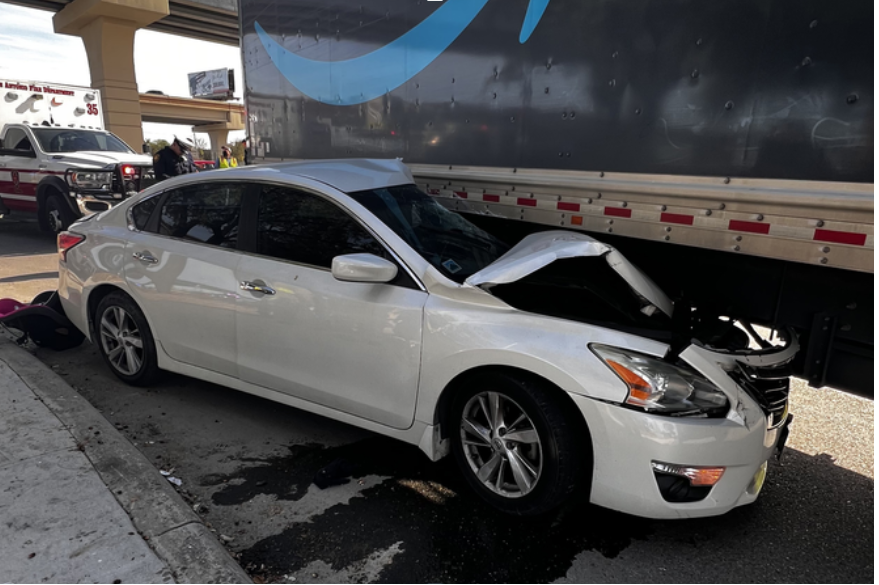
When a massive commercial truck collides with a passenger vehicle, the aftermath is rarely simple. Unlike a typical fender-bender between two cars, a truck crash involves a complex web of federal regulations, corporate policies, and multiple professional entities. If you have been injured, the most pressing question is often who will pay for your medical bills and lost wages. Determining liability is the critical first step in securing the justice and compensation you deserve.
This guide explores the various parties that may be held responsible for a commercial truck accident and explains why these cases require a deep dive into the logistics of the trucking industry.
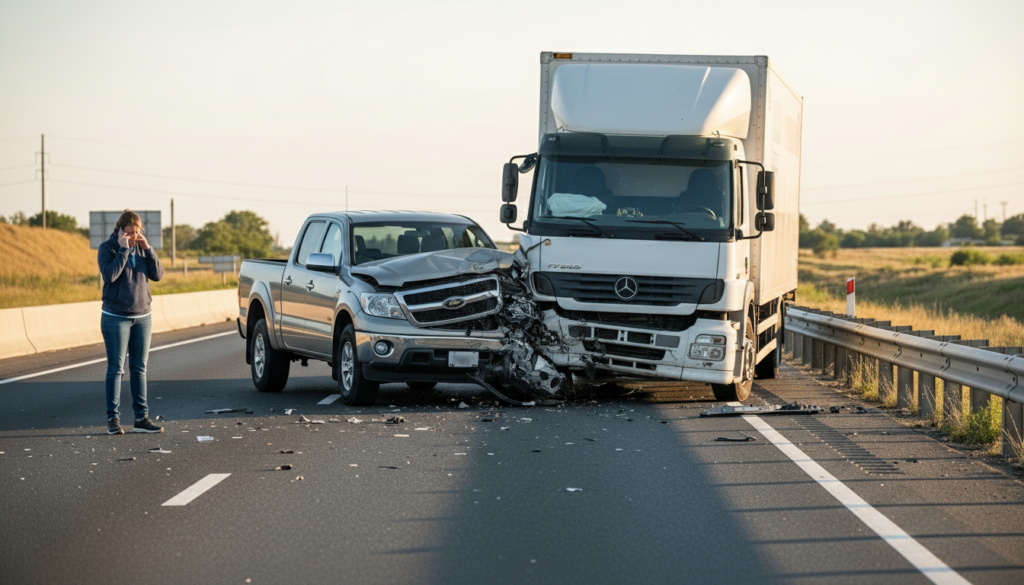
Key Takeaways
- Liability in commercial truck accidents often extends beyond the driver to include trucking companies, cargo loaders, and manufacturers.
- The legal principle of respondeat superior allows victims to hold employers accountable for the negligence of their drivers.
- Federal Motor Carrier Safety Administration (FMCSA) regulations play a vital role in establishing whether safety standards were violated.
- Evidence such as electronic logging devices (ELDs) and maintenance records are essential for proving fault.
- Multiple parties can share liability in a single crash, which often increases the available insurance coverage for the victim.
The Truck Driver: The First Link in the Chain
The truck driver is the most immediate party involved in a collision. If a driver makes a mistake behind the wheel, they can be held liable for the resulting damages. Common forms of driver negligence include driving while fatigued, exceeding hours-of-service limits, or operating the vehicle under the influence of drugs or alcohol. Distracted driving is also a significant concern, as drivers may use mobile devices or navigation systems while moving.
Speeding and aggressive driving are frequent contributors to crashes, especially when drivers are trying to meet strict delivery deadlines. Because of the immense weight of a commercial truck, even a minor error in judgment can lead to a catastrophic event.
The Trucking Company: Corporate Responsibility
In many cases, the trucking company that employs the driver bears the primary financial responsibility for a crash. Under the legal doctrine of respondeat superior, an employer is liable for the negligent acts of its employees when those acts occur within the scope of their employment. This means that if a driver causes an accident while hauling freight, the company is typically on the hook.
Beyond the actions of the driver, a trucking company can be liable for its own corporate negligence. This includes failing to conduct thorough background checks during the hiring process or providing inadequate safety training. If a company encourages or pressures drivers to violate federal safety regulations to speed up deliveries, they are directly contributing to the danger on the road.
Third-Party Liability: Looking Beyond the Cab
Commercial trucking is a collaborative industry, and sometimes the cause of a crash lies with a party that was never even at the scene. Liability may extend to several other entities depending on the circumstances of the accident.
Cargo Loaders and Shippers
If cargo is not loaded properly, it can shift during transit, causing the driver to lose control or the truck to tip over. Shippers and loading crews are responsible for ensuring that freight is balanced and secured according to federal standards. When they fail to do so, they can be held liable for a resulting rollover or jackknife accident.
Maintenance Providers and Mechanics
Trucking companies often outsource vehicle maintenance to third-party shops. If a mechanic fails to identify a worn brake pad or a faulty steering component, and that mechanical failure causes a crash, the maintenance provider may be responsible.
Manufacturers and Parts Suppliers
In some instances, a crash is caused by a defective part, such as a tire blowout or a brake failure. If a component was designed or manufactured poorly, the company that produced the part can be held liable through a product liability claim.
Common Liable Parties and Their Roles
| Party | Potential Negligence | Evidence to Collect |
| Truck Driver | Fatigue, speeding, distraction, impairment | Logbooks, cell phone records, toxicology reports |
| Trucking Company | Negligent hiring, lack of training, forced HOS violations | Employment files, corporate emails, safety audits |
| Cargo Loader | Overloading, improper securement, unbalanced weight | Loading manifests, photos of the debris, weight station logs |
| Maintenance Shop | Failure to repair, skipped inspections, poor workmanship | Maintenance logs, repair invoices, mechanic testimony |
| Manufacturer | Defective brakes, tire defects, lighting failures | Recall notices, engineering reports, part inspections |
The Importance of Federal Regulations
The trucking industry is governed by a strict set of rules established by the FMCSA. These regulations cover everything from how many hours a driver can work to how often a truck must be inspected. When a crash occurs, a primary goal of the investigation is to determine if any of these federal laws were broken.
Violations of these regulations serve as powerful evidence of negligence. For example, if an electronic logging device shows that a driver was on the road for 15 hours straight, it becomes much easier to prove that fatigue played a role in the accident. A lawyer will meticulously review these records to build a case for liability.
Navigating Multiple Insurance Policies

Because multiple parties can be liable, there are often several insurance policies involved in a single truck accident claim. Trucking companies are required by law to carry high-limit liability insurance, which is significantly higher than the coverage found on a standard passenger vehicle.
While this means there is more compensation available for victims, it also means that multiple insurance companies will be fighting to avoid paying. They may attempt to shift blame to one another or argue that the victim was partially at fault. Having a legal team that understands how to navigate these competing interests is essential for a successful recovery.
Steps to Identify Liable Parties After a Crash
Identifying every responsible party requires a comprehensive investigation that begins immediately after the accident. The first step is to secure the “black box” or Electronic Control Module (ECM) from the truck, which records data about speed, braking, and engine performance.
Witness statements and police reports provide the initial framework for the case. However, a lawyer will go further by subpoenaing internal company records, including the driver’s qualification file and the truck’s GPS data. In many cases, accident reconstruction experts are brought in to analyze the physics of the crash and determine exactly what went wrong.
Holding the Right Parties Accountable
A commercial truck crash is a life-altering event that leaves victims facing physical pain and financial uncertainty. You should not have to navigate the complexities of corporate liability alone. By identifying every party that contributed to the accident, you can ensure that the responsible entities are held accountable and that you receive the full compensation necessary for your recovery.
If you or a loved one has been injured in a collision with a commercial vehicle, seeking professional legal guidance is the best way to protect your future. You deserve a thorough investigation and a dedicated advocate who will fight for the answers you need.
Frequently Asked Questions
Q: Can I sue the trucking company if the driver was an independent contractor?
A: Yes, you can often still hold the company liable. Courts look at the level of control the company had over the driver’s work to determine if an employer-employee relationship existed regardless of the contractor label.
Q: What happens if the truck driver was not the owner of the truck?
A: In this scenario, both the driver and the owner of the vehicle may be liable. Your lawyer will investigate the lease agreements and insurance policies of both parties to determine the best path forward.
Q: How long do I have to identify the liable parties?
A: You should act as quickly as possible because evidence like truck data and logbooks can be lost or destroyed. While the statute of limitations gives you a window to file, the investigation should begin immediately.
Q: Can a shipper be liable if they didn’t own the truck?
A: Yes, if the shipper’s actions, such as improper loading or requesting an impossible delivery time, contributed to the crash, they can be held legally responsible for the damages.
Created on 02-10-26