

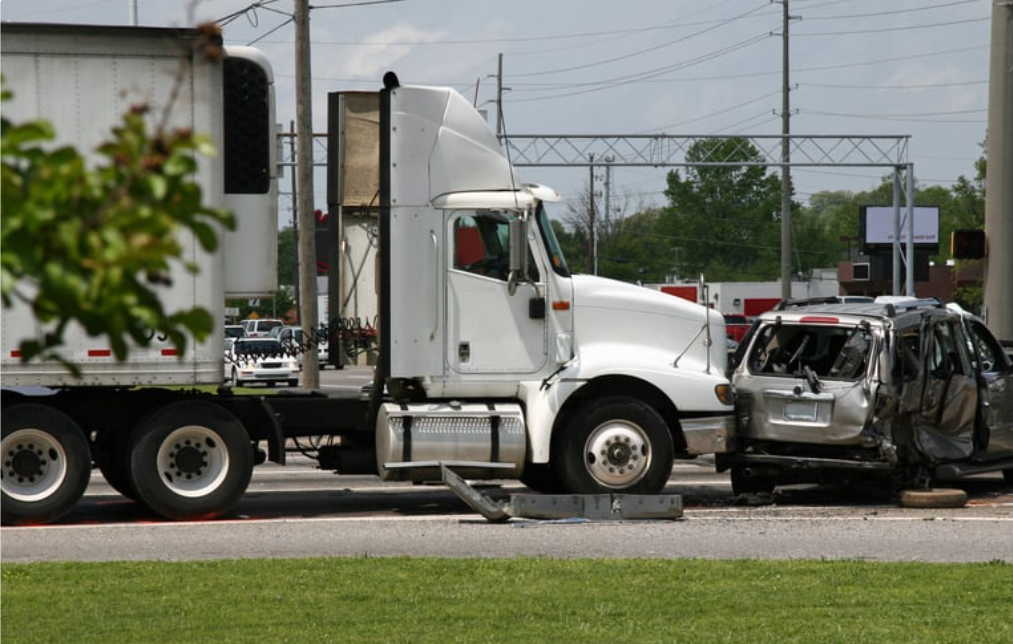
The world can change in a heartbeat. One moment you are driving, thinking about dinner or the weekend ahead, and the next you are surrounded by twisted metal, flashing lights, and a flood of fear. If you have been in an 18-wheeler crash, you know that the impact goes far beyond the physical damage. The road to recovery is long, and it touches every part of your life: your body, your emotions, your finances, and your sense of safety. Navigating an 18-wheeler crash recovery means understanding what lies ahead and knowing you do not have to face it alone.
This guide walks you through the stages of recovery, from the first hours after the collision to the months and years that follow. It covers medical care, emotional healing, financial concerns, and the legal steps that can protect your future. Whether you are still in the hospital or trying to rebuild your daily routine, this information can help you take the next step with confidence.
Key Takeaways
Recovery after an 18-wheeler crash is a journey that includes physical healing, emotional support, financial stability, and legal protection. Immediate medical care is critical, even if injuries are not obvious at first. Long-term treatment may include surgery, physical therapy, mental health counseling, and adaptive equipment. Insurance companies often move quickly to limit payouts, so early legal guidance can protect your rights. Compensation can cover medical bills, lost wages, pain and suffering, and future care needs. You deserve a team that listens, advocates, and walks with you through every stage of recovery.
The First Hours: Immediate Steps After an 18 Wheeler Crash
The moments after a collision are chaotic. Your first priority is safety and medical care. Even if you feel okay, call for help and get checked by paramedics or at an emergency room. Some injuries, like internal bleeding, concussions, and spinal damage, do not show symptoms right away. Delaying care can make injuries worse and complicate your claim later.
If you are able, document the scene. Take photos of the vehicles, the road, skid marks, cargo, weather conditions, and any visible injuries. Exchange information with the truck driver, including their license, insurance, and the trucking company name. Get contact information from witnesses. Do not apologize or admit fault, even in casual conversation. What you say can be used against you later.
Before you speak to any insurance adjuster, talk to a lawyer. Insurers often contact victims quickly, hoping to record statements or offer fast settlements before the full extent of injuries is known. A lawyer can handle these calls, protect your rights, and make sure evidence is preserved.
Understanding Your Injuries
An 18-wheeler crash can cause a wide range of injuries, many of them serious and life-changing. Traumatic brain injuries can affect memory, concentration, mood, and personality. Spinal cord injuries can lead to partial or complete paralysis. Broken bones may require multiple surgeries and long recovery times. Internal injuries can damage organs and cause hidden bleeding. Burns, lacerations, and crush injuries can leave lasting scars and require reconstructive surgery. Psychological trauma, including PTSD, anxiety, and depression, is common and deserves the same attention as physical wounds.
Your medical team will assess your injuries and create a treatment plan. Follow their guidance closely. Attend every appointment, complete every therapy session, and keep detailed records. These records are not just for your health. They are also evidence that connects your injuries to the crash and shows the full scope of your damages.
The Medical Journey: Treatment and Rehabilitation
Recovery is rarely quick or simple. You may spend days or weeks in the hospital. Surgery may be needed to repair fractures, stop bleeding, or relieve pressure on the brain or spine. Once you are stable, the focus shifts to rehabilitation. Physical therapy helps you regain strength, mobility, and function. Occupational therapy teaches you how to manage daily tasks if your abilities have changed. Speech therapy may be needed if you have a brain injury that affects communication or swallowing.
Pain management is another important piece. Chronic pain is common after serious crashes, and it can interfere with sleep, mood, and quality of life. Your doctors may recommend medications, injections, or other treatments to help you manage discomfort while you heal.
Mental health care is just as important as physical care. Trauma from the crash can linger long after your body heals. Flashbacks, nightmares, fear of driving, and feelings of helplessness are all normal responses to a terrifying event. Counseling and therapy can help you process what happened and develop coping strategies. Do not ignore emotional pain. It is real, it matters, and it deserves treatment.
Some people need adaptive equipment or home modifications. Wheelchairs, walkers, grab bars, ramps, and vehicle modifications can help you regain independence. A life care planner can assess your long-term needs and estimate the costs, which is important for your legal claim.
Common Injuries and Treatment Paths After an 18 Wheeler Crash
| Injury Type | Common Treatments | Recovery Timeline |
| Traumatic Brain Injury | Monitoring, surgery, cognitive therapy, medications | Months to years; some effects may be permanent |
| Spinal Cord Injury | Surgery, physical therapy, adaptive equipment | Varies widely; some injuries are permanent |
| Fractures and Orthopedic | Surgery, casting, physical therapy | Weeks to months, depending on severity |
| Internal Injuries | Surgery, monitoring, medications | Days to weeks in the acute phase; ongoing care may be needed |
| Burns | Wound care, skin grafts, reconstructive surgery | Months to years; scarring may be permanent |
| PTSD and Anxiety | Counseling, therapy, and medications | Ongoing; symptoms can improve with treatment |
The Emotional Toll: Healing Beyond the Body
Physical injuries are visible. Emotional injuries are not, but they can be just as debilitating. After an 18-wheeler crash, many people struggle with fear, anger, guilt, and sadness. You may replay the crash in your mind. You may avoid highways or feel anxious as a passenger. You may feel frustrated by your limitations or isolated from friends and family who do not understand what you are going through.
These feelings are normal. Trauma changes the way your brain processes danger and safety. Healing takes time, patience, and support. Talk to a mental health professional who understands trauma. Join a support group where you can connect with others who have been through similar experiences. Lean on loved ones, and let them help you. Recovery is not a solo journey.
Financial Concerns: The Cost of 18-Wheeler Crash Recovery
Medical bills can pile up fast. Emergency room visits, surgeries, hospital stays, imaging, medications, and therapy sessions all come with a price tag. If your injuries keep you from working, lost income adds to the stress. You may also face costs for childcare, household help, transportation to appointments, and modifications to your home or vehicle.
Insurance should cover these costs, but the process is rarely simple. Your health insurance may pay some bills and then seek reimbursement from the truck driver’s insurer. The trucking company’s insurance may deny liability or offer a settlement that falls far short of covering your actual losses. This is where legal representation becomes essential.
A lawyer can identify all available insurance policies, calculate your full damages, and negotiate on your behalf. They can also coordinate with your health insurer to reduce liens and maximize your net recovery. The goal is to make sure you have the resources you need to heal and move forward.
The Legal Side: Protecting Your Rights and Your Future
Navigating recovery after an 18-wheeler crash includes protecting your legal rights. Trucking companies and their insurers have teams of lawyers and adjusters working to limit their liability. You need someone on your side who understands the rules, the tactics, and the stakes.
A truck accident lawyer will investigate the crash, secure evidence, and build a strong case. This includes obtaining the truck’s black box data, driver logs, maintenance records, dispatch communications, and company safety policies. Accident reconstruction experts can analyze the scene and explain how the crash happened. Medical experts can testify about your injuries and future needs. Economists can calculate lost wages and reduced earning capacity.
Your lawyer will also handle all communication with insurers. This protects you from saying something that could hurt your claim and ensures that settlement offers are evaluated fairly. If the insurer refuses to offer fair compensation, your lawyer can file a lawsuit and take your case to trial.
Time is critical. Evidence can be lost or destroyed. Witnesses’ memories fade. Every state has a statute of limitations that sets a deadline for filing a lawsuit. Missing that deadline can mean losing your right to recover. The sooner you consult a lawyer, the better your chances of a strong outcome.
What Compensation Can Include
Compensation in an 18-wheeler crash case is designed to make you whole. It can include economic damages such as past and future medical expenses and lost income. If your injuries prevent you from returning to your old job or reduce your earning capacity, that loss is part of your claim. Property damage, including vehicle repair or replacement, is also covered.
Non-economic damages recognize the human cost of the crash. Pain and suffering, emotional distress, loss of enjoyment of life, and loss of companionship are all real harms that deserve compensation. In cases where the trucking company or driver acted with gross negligence or willful misconduct, punitive damages may be available to punish the wrongdoing and deter similar behavior.
If your loved one was killed in an 18-wheeler crash, a wrongful death claim can provide compensation for funeral costs, loss of financial support, and loss of companionship. No amount of money can replace a life, but it can provide stability and accountability.
Types of Compensation in an 18 Wheeler Crash Claim
| Damage Category | What It Covers | How It Is Calculated |
| Medical Expenses | ER, surgery, hospital, rehab, medications, future care | Actual bills plus life care plan estimates |
| Lost Income | Missed work, reduced hours, lost business income | Pay stubs, tax returns, employer statements |
| Earning Capacity | Reduced ability to work due to disability | Vocational and economic expert analysis |
| Pain and Suffering | Physical pain, emotional distress, PTSD | Severity, duration, and impact on daily life |
| Property Damage | Vehicle repair or replacement, personal items | Repair estimates, fair market value |
| Loss of Enjoyment | Inability to participate in hobbies, activities | Personal testimony and expert support |
| Wrongful Death | Funeral costs, loss of support and companionship | Financial and emotional impact on survivors |
Rebuilding Your Life: Practical Steps Forward
Recovery is not just about medical treatment and legal claims. It is about rebuilding your life. That can mean learning new ways to do everyday tasks, finding new work if you cannot return to your old job, and reconnecting with the people and activities that bring you joy.
Set small, realistic goals. Celebrate progress, even when it feels slow. Ask for help when you need it. Stay connected to your support network. Keep a journal to track your symptoms, your emotions, and your victories. This can help you see how far you have come and provide valuable documentation for your claim.
If you have children, talk to them in age-appropriate ways about what happened and what to expect. They may be scared or confused, and they need reassurance that you are getting help and that things will get better.
Take care of your basic needs. Eat well, sleep as much as you can, and move your body in ways that feel safe and comfortable. Recovery is hard work, and your body and mind need fuel and rest.

Working With Your Legal Team
A good lawyer does more than file paperwork. They listen to your story, answer your questions, and keep you informed at every stage. They coordinate with your medical providers, negotiate with insurers, and prepare your case for trial if needed. They also connect you with resources like medical specialists, vocational counselors, and financial planners.
You should feel comfortable asking questions and expressing concerns. Your lawyer works for you, and you deserve clear, honest communication. If something does not make sense, speak up. If you are worried about costs, ask about the fee structure. Most truck accident lawyers work on a contingency fee, which means you do not pay attorney fees unless they win your case.
The Role of Family and Friends
Your loved ones want to help, but they may not know how. Be honest about what you need. That might be help with meals, rides to appointments, childcare, or just someone to sit with you. It might also mean space and time to rest.
Recovery can strain relationships. You may feel frustrated, withdrawn, or irritable. Your family may feel helpless or overwhelmed. Open communication and patience go a long way. Consider family counseling if tensions run high. Healing together is possible, and it can make your support network even stronger.
Looking Ahead: Hope and Healing
Navigating recovery after an 18-wheeler crash is one of the hardest things you will ever do. There will be setbacks and bad days. There will also be moments of progress, relief, and hope. You are stronger than you know, and you do not have to do this alone.
With the right medical care, emotional support, financial resources, and legal advocacy, you can rebuild your life. It may look different than it did before the crash, but it can still be full, meaningful, and joyful. Take it one day at a time. Trust the process. Lean on your team. You deserve to heal, and you deserve justice.
Conclusion: You Deserve Support, Healing, and Justice
Navigating recovery after an 18-wheeler crash is a journey that touches every part of your life. It requires medical care, emotional strength, financial resources, and legal protection. You do not have to walk this road alone. With the right team by your side, you can heal, rebuild, and move forward with hope.
If you are ready to take the next step, reach out for a free consultation. Ask your questions. Learn your options. There is a path through this, and you deserve a guide who will fight for your rights and your future every step of the way.
Frequently Asked Questions
Q: How long does recovery take after an 18-wheeler crash?
A: It depends on the severity of your injuries. Some people recover in weeks or months. Others face years of treatment and therapy. Catastrophic injuries like spinal cord damage or traumatic brain injury may require lifelong care.
Q: What if I cannot afford medical treatment?
A: Many providers will treat on a lien, meaning they agree to be paid from your settlement. Your lawyer can also help coordinate insurance benefits and connect you with resources.
Q: Can I still recover compensation if I was partly at fault?
A: In many states, yes. Comparative fault rules allow you to recover damages even if you share some responsibility, as long as you are not mostly at fault. Your recovery may be reduced by your percentage of fault.
Q: What if the trucking company says the crash was not their fault?
A: Insurers often deny liability or shift blame. Your lawyer will investigate, gather evidence, and build a case that proves fault. Accident reconstruction, black box data, and witness testimony can all support your claim.
Q: How do I know if I need a lawyer?
A: If you were seriously injured, if liability is disputed, or if the insurance company is pressuring you to settle quickly, you need a lawyer. Truck crash cases are complex, and having an advocate levels the playing field.
Q: What if my loved one was killed in an 18-wheeler crash?
A: You may be able to file a wrongful death claim. This can provide compensation for funeral costs, lost income, and loss of companionship. A compassionate lawyer can guide you through the process with care and respect.
Q: How much does it cost to hire a truck accident lawyer?
A: Most work on a contingency fee. You pay no attorney fees unless they win your case. Fees and costs are explained clearly during your consultation.