
Last Reviewed: August 2026
Accident Lawyer
Commercial Vehicle Accident Lawyer
A commercial vehicle accident involves any vehicle operated for business purposes, from a massive dump truck to a small local delivery van. When a vehicle is used for work, the legal landscape changes instantly. You are no longer just dealing with an individual driver; you are dealing with a business entity, its corporate safety record, and its commercial insurance policy.
TruckWreck represents individuals across the country who have been injured by negligent commercial drivers. Whether it was a "last-mile" delivery van rushing to meet a quota or a heavy construction vehicle on a job site, we know how to identify the parent company and hold them responsible for the harm they have caused.
Accident Lawyer
Why commercial vehicle claims are complex
When a vehicle is owned by a company, the "rules of the road" are supplemented by corporate policies and government regulations. Proving negligence in these cases requires looking at the company’s internal operations.
Commercial vehicle claims involve:
Vicarious Liability
The legal principle that an employer is responsible for the actions of an employee performed during their work.
Commercial Insurance Limits
Businesses typically carry much higher liability limits than private individuals, but their insurers fight harder to protect those assets.
Regulatory Compliance
Many commercial vehicles must follow Department of Transportation (DOT) safety standards regarding maintenance and driver qualifications.
Employment Status Issues
Companies often try to avoid liability by claiming a driver was an “independent contractor” rather than an employee.
Common causes of commercial vehicle accidents
Commercial drivers are often under unique pressures that lead to dangerous mistakes on the road.
Strict Deadlines:
Delivery drivers are often tracked by GPS and penalized for delays, leading to speeding and aggressive maneuvers.
Frequent Stops:
Delivery and service vehicles make constant stops, often double-parking or blocking sightlines for other drivers.
Distracted Driving:
Drivers are frequently using handheld devices for navigation, route updates, and package scanning.
Inadequate Training:
Many companies put drivers behind the wheel of large vans or box trucks without providing specialized safety training.
Negligent Maintenance:
To save money, some businesses defer repairs on brakes, tires, and lights until a failure occurs.
Fatigue:
Service technicians and delivery drivers often work long shifts that impair their reaction times.
What qualifies as a commercial vehicle?
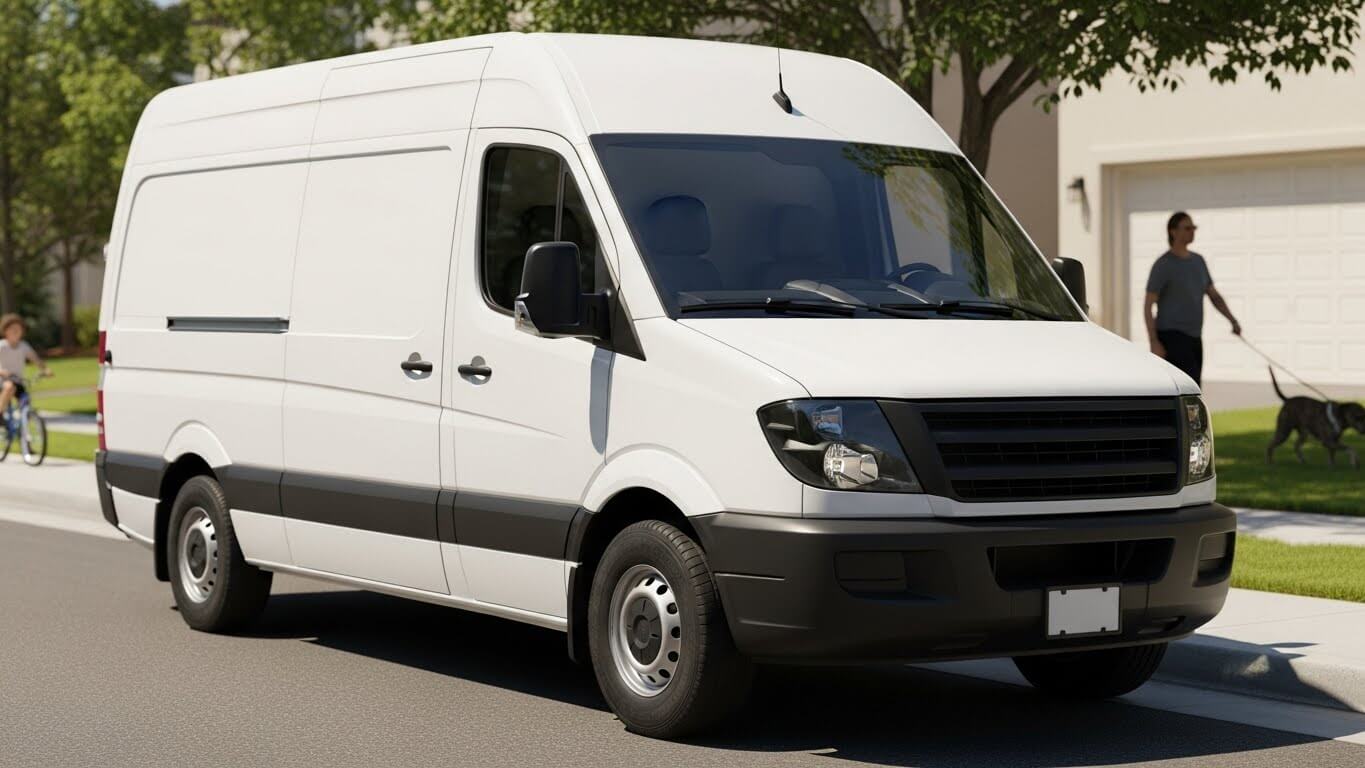
Many people do not realize they were in a commercial accident until they see the corporate logo on the door or the commercial plates on the bumper. Commercial vehicles include:
Delivery Vans and Trucks:
Amazon, FedEx, UPS, and local courier services.
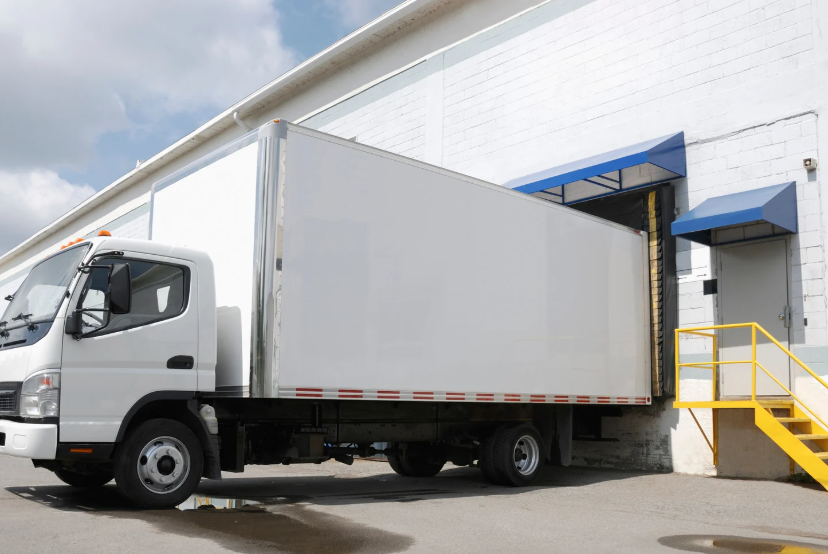
Box Trucks:
Often used for moving services, furniture delivery, or appliance transport.
Construction Vehicles:
Dump trucks, cement mixers, and heavy haulers.
Service and Utility Trucks:
Vehicles operated by electric, plumbing, or cable companies.
Corporate Cars:
Passenger vehicles owned by a company and driven by employees for business travel.
Buses and Shuttles:
Including city buses, private charters, and airport shuttles.
Waste Management Trucks:
Garbage and recycling collection vehicles.
Liability:
Who is responsible for a commercial crash?
TruckWreck investigates every entity that had a hand in putting the dangerous vehicle on the road.
The Employer or Business Owner
If the driver was acting within the "scope of their employment," the company is generally liable for the damages. We also look for direct negligence in how the company hired, trained, or supervised that driver.
The Vehicle Owner
In some cases, a company leases its fleet from a third party. If a mechanical failure caused the crash, the leasing company or the maintenance provider may share responsibility.
The Government Entity
If you were hit by a city bus or a municipal utility truck, specific rules and shorter deadlines apply for filing a claim against a government body.
The Manufacturer
If a vehicle defect—such as a faulty backup camera or a steering failure—contributed to the accident, a product liability claim may be appropriate.
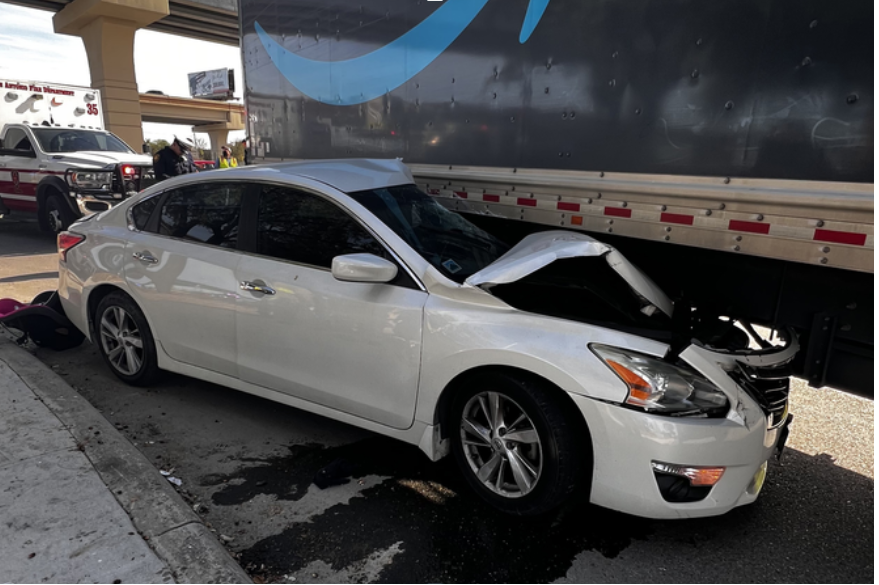
Critical evidence
Evidence we collect in commercial vehicle cases
We move quickly to secure evidence that proves the company’s role in the accident.
GPS and Telematics Data:
To show the vehicle’s speed and location leading up to the crash.
Employment Records:
To see if the driver had a history of accidents or safety violations that the company ignored.
Internal Communications:
Emails or dispatch logs that might show the driver was being pressured to break safety rules.
Maintenance Logs:
To prove the company failed to keep the vehicle in a safe operating condition.
Dashcam Footage:
Many commercial fleets now use cameras to monitor the road and the driver.
Cell Phone Records:
To determine if the driver was distracted by a personal or work device at the time of impact.
Damages in commercial vehicle accident claims
A commercial vehicle accident can result in significant physical and financial loss. We pursue a settlement that accounts for the total impact on your life.
Medical Bills:
Coverage for all past and future treatment related to the crash.
Lost Wages:
Compensation for the time you cannot work and any permanent loss of earning power.
Pain and Suffering:
For the physical pain and emotional distress caused by the accident.
Property Damage:
Repair or replacement of your vehicle and any personal items destroyed in the collision.
Punitive Damages:
In rare cases where a company’s conduct was especially reckless, additional damages may be awarded to punish the business.
What to do
What to do after a commercial vehicle accident
Report the Accident:
Call the police so an official report is created.
Identify the Business:
Note the company name on the vehicle, the DOT number, and the driver’s name.
Take Photos:
Document the damage to both vehicles and any corporate logos or markings.
Seek Medical Care:
Visit a doctor immediately to document your injuries.
Consult a Lawyer:
Do not speak with the company’s risk management department or insurance adjuster until you have legal representation.

Related
Related 18-wheeler accident topics
Jackknife Accident Claims
Cargo Shift and Overweight Trucks
Brake and Tire Failure Investigations
Wrongful Death in Trucking Accidents
frequently asked questions
Commercial Vehicle Accidents
What makes a vehicle "commercial"?
A vehicle is considered commercial if it is owned by a business, used to transport goods or paying passengers, or is a certain weight. Even a personal car can be a commercial vehicle if it is being used for business at the time of the crash.
What if the driver was using their personal car for work?
If an employee is running a work errand or traveling between job sites in their own car, the employer’s insurance may still be liable for the accident.
Can I sue a company for a "last-mile" delivery accident?
Yes. Companies like Amazon often use a network of smaller delivery partners. We investigate these relationships to find the insurance coverage that applies to your specific accident.
What is "Negligent Entrustment"?
This is a legal claim against a company for allowing an incompetent or unlicensed driver to operate one of their vehicles.
Are commercial insurance policies different?
Yes. Most commercial policies have much higher limits than personal ones, often starting at $1 million. This allows for better recovery in cases of serious injury.
What if I was hit by a gig economy driver (like Uber or DoorDash)? driver was tired?
Gig economy claims involve specific insurance "periods" depending on whether the driver was waiting for a task or actively making a delivery. We can help you navigate these complex policies.
How do I prove the company was at fault?
We look for evidence that the company failed to follow safety regulations, ignored a driver’s poor record, or failed to maintain their equipment.
What if the commercial driver fled the scene?
Hit-and-run accidents involving commercial vehicles are serious crimes. We work with investigators to track down the vehicle using traffic cameras, witness accounts, and delivery logs.
How long do I have to sue a company?
While the statute of limitations varies by state, you should act immediately. Companies often have "document retention" policies that allow them to destroy logs and data after a certain period unless a lawyer intervenes.
Do I need a lawyer for a minor commercial accident?
Even if the accident seems minor, dealing with a corporate legal department is difficult. A lawyer ensures you are not bullied into a low settlement and that your future medical needs are protected.
Get Expert Legal Guidance