

Last Reviewed: August 2026
Accident Lawyer
Underride Accident Lawyer
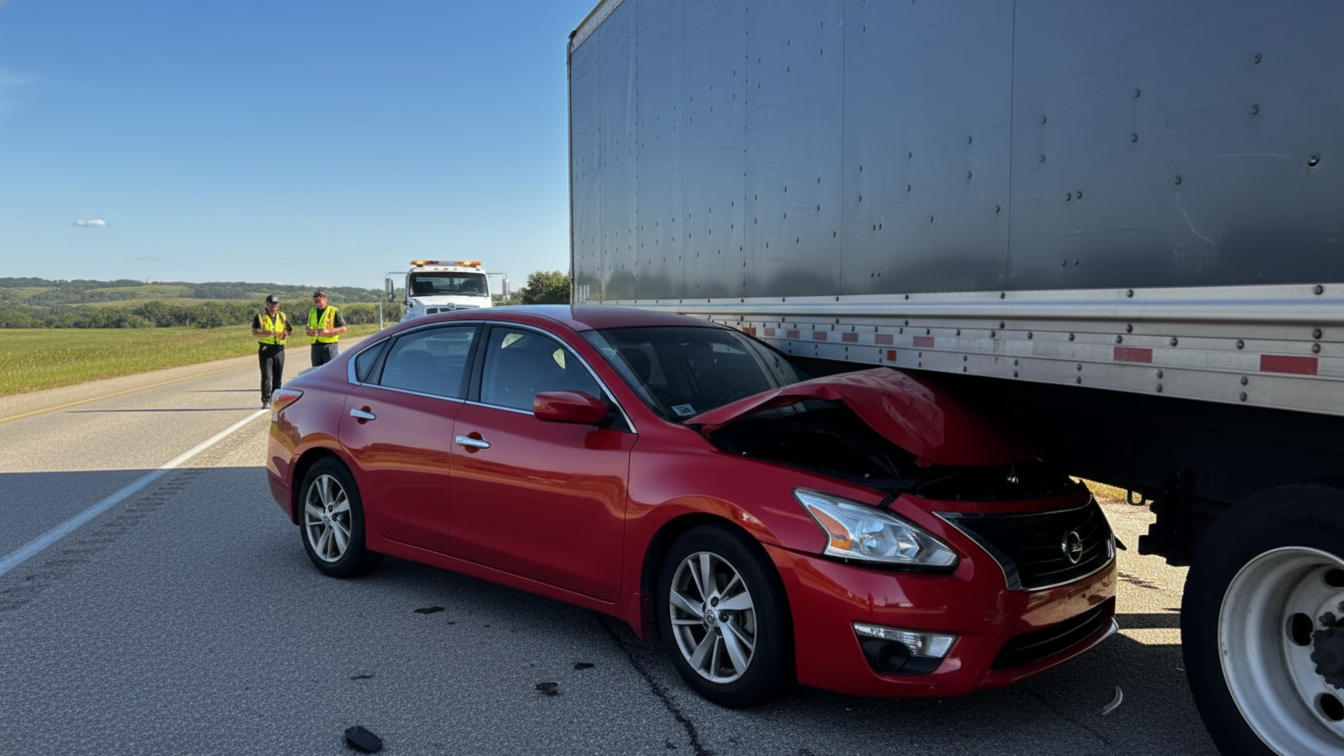
An underride accident is one of the most terrifying and deadly scenarios on the road. It occurs when a smaller passenger vehicle slides underneath the rear or side of a large commercial trailer. Because the bed of a trailer sits much higher than the hood of a car, the trailer often bypasses the car’s safety features—like crumple zones and airbags—and strikes the windshield or roof directly.
TruckWreck represents families and survivors of these catastrophic collisions. If you or a loved one were involved in an underride crash, you need an experienced underride accident lawyer who can prove the trucking company failed to protect the public from a known and deadly hazard. We understand that underride accidents are often preventable through the use of proper safety guards and conspicuous lighting.
Accident Lawyer
Understanding the types of underride accidents
Underride collisions generally fall into two categories, both of which are frequently fatal or result in permanent, life-altering injuries.
Types of Underride Accidents
Rear Underride Accidents
These occur when a passenger vehicle strikes the back of a trailer. While federal law requires most trailers to have rear impact guards (often called “Mansfield bars”), these guards frequently fail during a collision because they are poorly maintained, improperly designed, or not strong enough to withstand the impact.
Side Underride Accidents
These happen when a car strikes the side of a trailer, often when a truck is making a wide turn, U-turn, or backing across lanes of traffic. Unlike rear guards, side underride guards are not currently mandated by federal law, despite evidence that they save lives. Trucking companies that fail to install these guards or fail to make their trailers visible at night can be held liable for the resulting devastation.
Why underride accidents are so deadly
In a typical car-to-car collision, the bumpers meet, and the vehicles' safety systems absorb the energy. In an underride crash, the "Point of Impact" is often the passenger compartment itself. This leads to:
- Passenger Compartment Intrusion (PCI): The trailer enters the space where the driver and passengers are sitting.
- Roof Crush or Shearing: The roof of the car may be completely peeled back or crushed downward.
- Safety System Failure: Airbags may not deploy because the car’s sensors (located in the bumper) never make contact with the truck.
Common causes of underride collisions
While the impact itself is the event, the legal cause of the accident often lies in the negligence of the trucking company or driver.
Poor Visibility and Lighting:
If a trailer’s reflective tape (conspicuity tape) is dirty, worn, or missing, a driver may not see the trailer blocking the road at night.
Faulty Rear Impact Guards:
Guards that are rusted, improperly welded, or weakened by prior accidents often fail to stop a car from sliding underneath.
Illegal Maneuvers:
Truck drivers who attempt U-turns on dark highways or back into loading docks from a main road create a “wall” that other drivers cannot avoid.
Sudden Braking:
If a truck brakes abruptly without working brake lights, a following driver may not have time to react before sliding under the rear.
Lack of Side Guards:
Companies that choose not to install side underride protection are knowingly leaving a “death trap” on the side of their trailers.
Liability:
Who is responsible for an underride crash?
Proving liability in an underride case requires an investigation into both the driver’s actions and the equipment’s failure.
The Trucking Company
The carrier is responsible for maintaining rear impact guards and ensuring all reflective materials meet federal standards. They can also be held liable for the driver’s negligent maneuvers.
The Trailer Manufacturer
If a rear impact guard was defectively designed or manufactured, the company that built the trailer may be liable for the guard’s failure to perform its intended function.
Maintenance Contractors
If a repair shop performed a "patch job" on a damaged rear guard instead of replacing it, they may share responsibility for the guard’s failure during a crash.
Critical evidence
Evidence we collect in underride cases
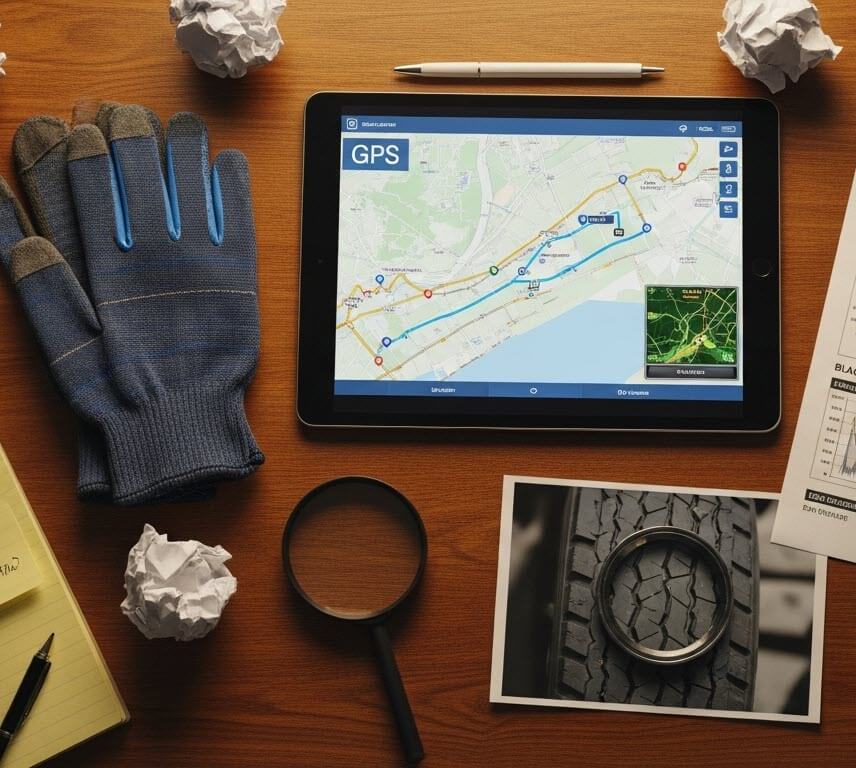
Underride cases are won or lost on technical evidence. TruckWreck works with engineering and accident reconstruction experts to build your case.
The Physical Guard:
We inspect the rear impact guard for rust, improper welds, or structural weakness.
Reflective Tape Analysis:
We document the condition of the trailer’s conspicuity tape to determine if it met federal visibility requirements.
Black Box Data:
To determine the speed of both vehicles and whether the truck driver was braking or accelerating.
Maintenance Records:
To see if the guard had been damaged in previous accidents and never properly repaired.
Photogrammetry:
Using photos of the scene to reconstruct the exact angles and visibility levels at the time of the crash.
Damages available
Damages in underride accident claims
Because of the extreme nature of these injuries, the damages in underride cases are often among the highest in the trucking industry.
Catastrophic Medical Expenses:
For traumatic brain injuries, spinal cord damage, and internal trauma.
Life Care Planning:
To account for the cost of lifelong medical needs and daily assistance.
Wrongful Death Damages:
Many underride accidents result in immediate fatalities, requiring a claim for the family’s loss of support and companionship.
Pain and Suffering:
For the immense physical and emotional trauma experienced by survivors.
What to do
What to do after an underride accident
Preserve the Vehicle:
Do not let your car be destroyed or sold for parts. It is a critical piece of evidence that shows how the underride occurred.
Identify the Trailer:
Document the trailer’s VIN, the manufacturer’s name, and the DOT number of the carrier.
Take Photos of the Guard:
If possible, take close-up photos of the rear impact guard and the reflective tape on the trailer.
Seek Immediate Legal Help:
Underride cases require immediate “spoliation letters” to ensure the trucking company does not repair the trailer or destroy the failed guard.

Related
Related Truck Accident Topics
Jackknife Accident Claims
Cargo Shift and Overweight Trucks
Brake and Tire Failure Investigations
Wrongful Death in Trucking Accidents
Rear-End Truck Collisions
frequently asked questions
Underride Accidents
What is a "Mansfield Bar"?
It is the common name for the rear impact guard on a trailer, named after actress Jayne Mansfield, who was killed in a rear underride accident in 1967.
Are side underride guards required by law?
Currently, they are not federally mandated in the United States, but many safety advocates argue that failing to install them is a form of negligence because the technology exists to save lives.
Can I sue if the truck was parked?
Yes. If a truck is parked illegally or without proper lighting and reflectors, and you slide underneath it, the trucking company can be held liable for creating a hazard.
Why didn't my airbags go off in the underride crash?
Airbags are triggered by sensors in the bumper. In an underride, the bumper of the car often goes under the trailer without hitting anything, so the sensors never trigger the airbags.
What is "Conspicuity Tape"?
This is the red-and-white reflective tape required on the sides and rear of trailers to make them visible to other drivers, especially at night or in bad weather.
How do you prove a rear guard was defective?
We use metallurgical experts and engineers to analyze the metal, the welds, and the design of the guard to see if it met federal strength standards.
What if the sun was in my eyes?
Even if visibility was poor due to weather or sun glare, the trucking company still has a duty to ensure their vehicle is as safe and visible as possible.
Can a passenger in the car file a claim?
Absolutely. Passengers often suffer the most severe injuries in underride crashes and have a right to pursue damages against the negligent parties.
How long does an underride investigation take?
These are complex cases that involve detailed engineering analysis. While the initial evidence gathering happens quickly, the full investigation can take several months.
Why do I need a specialized lawyer for this?
Standard personal injury lawyers may not understand the federal regulations regarding guard strength or the engineering principles required to prove why a guard failed.
Get Expert Legal Guidance