

The days immediately following a serious truck accident are overwhelming. You are in pain, you are exhausted, and you are trying to hold your life together while dealing with medical appointments, missed work, and a flood of calls from insurance companies. It feels like too much to manage all at once.
But the first week after a truck accident is also the most important window for protecting your legal claim. Evidence disappears. Deadlines begin. And the trucking company’s legal team is already working.
What you do, and what you avoid doing, in those first seven days can shape the entire outcome of your case. This guide walks you through the critical steps to take, explains why each one matters, and helps you understand what is at stake if those steps are delayed or skipped.
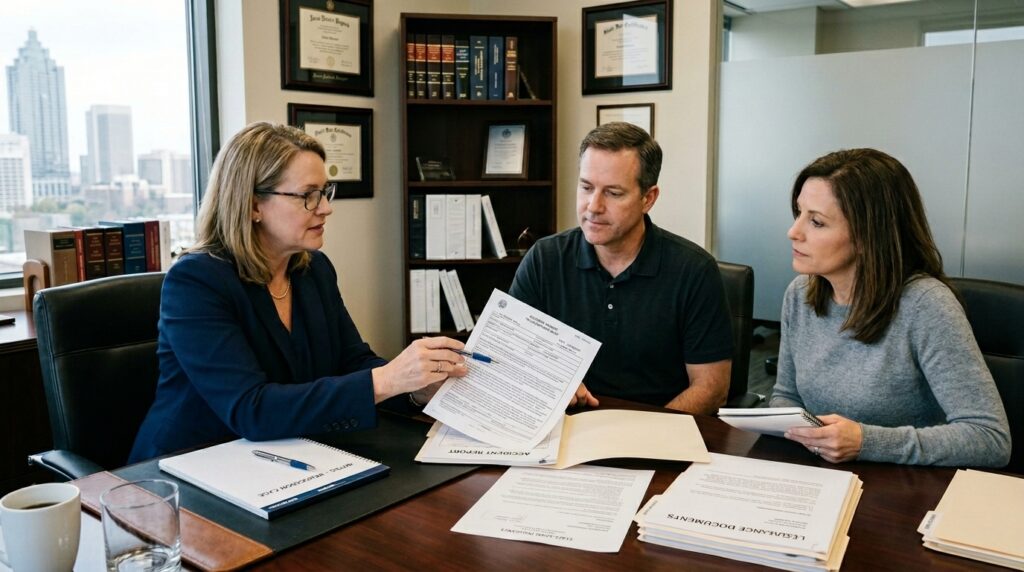
Key Takeaways
- The first week after a truck accident is the most critical period for preserving evidence, documenting injuries, and protecting your legal rights.
- Trucking companies and their insurers begin building their defense immediately. Victims who act quickly are in a much stronger position to recover full compensation.
- Calling a truck accident lawyer in the first 24 to 48 hours is one of the most important steps you can take. It costs nothing and can make a significant difference in the outcome of your case.
Why the First Week Matters So Much
Truck accident cases are not like standard car accident claims. They involve federal regulations, commercial insurance policies, multiple potentially liable parties, and time sensitive evidence that can disappear within days.
Dashcam footage may be overwritten. Black box data can be lost. Witness memories fade. Physical evidence at the scene is cleared away. Driver logs and maintenance records have retention limits. Every day that passes without action is a day that potentially critical evidence moves further out of reach.
At the same time, the trucking company is not waiting. Many large carriers deploy rapid response teams to accident scenes within hours. These teams include investigators, attorneys, and insurance representatives whose job is to gather information and begin building a defense before the victim has had a chance to do anything.
The first week is not a grace period. It is a race. And knowing what steps to take puts you in a position to win it.
Day One: Prioritize Safety and Medical Care
If you have not already done so, your first priority is getting medical attention. This is true even if you feel relatively okay. Many serious injuries, including traumatic brain injuries, internal bleeding, and spinal damage, do not present obvious symptoms immediately after a crash. Adrenaline masks pain. Shock delays awareness.
Seeking medical care on the day of the accident, or as close to it as possible, does two critical things. It protects your health by identifying injuries that need immediate treatment. And it creates a medical record that directly links your injuries to the accident.
Gaps in medical treatment are one of the most common tools insurance companies use to challenge injury claims. If you wait several days before seeing a doctor, the insurer may argue that your injuries were not serious, were caused by something else, or were exaggerated after the fact.
Go to the emergency room, an urgent care clinic, or your primary care physician as soon as possible. Follow every recommendation your doctor gives you. Keep every appointment. Fill every prescription. Your medical records are the foundation of your damages claim.
Day One to Two: Document Everything You Can
If you were physically able to gather information at the scene, you may already have photos, witness contact information, and the truck driver’s details. If not, start documenting now.
Write down everything you remember about the accident while the details are still fresh. Include the time, location, weather and road conditions, what you observed before the crash, and what happened in the moments of impact. Note anything unusual about the truck, the driver’s behavior, or the scene itself.
If you have photos from the scene, preserve them carefully. If you did not take photos at the scene, document your injuries now. Photograph bruising, lacerations, swelling, and any visible physical effects of the crash. Continue photographing your injuries over the following days as they develop and change.
Keep a daily journal starting from day one. Record your pain levels, your symptoms, how your injuries are affecting your daily life, your sleep, your ability to work, and your emotional state. This journal becomes powerful evidence of the human cost of your injuries and supports your claim for pain and suffering damages.
Day Two to Three: Call a Truck Accident Lawyer
This is one of the most important steps you can take in the first week, and it should happen as early as possible.
Many truck accident victims hesitate to call a lawyer because they are not sure if their case is serious enough, they worry about the cost, or they assume they can handle the insurance process on their own. All three of these concerns are understandable, and all three are worth addressing directly.
Most truck accident lawyers offer free consultations and work on a contingency fee basis. You pay nothing upfront. The lawyer only gets paid if they recover compensation for you. There is no financial risk in making that call.
Truck accident cases are almost always serious enough to warrant legal representation. Commercial trucking cases involve federal regulations, multiple liable parties, and insurance policies that are far more complex than standard auto coverage. Having a lawyer who specializes in these cases is not a luxury. It is a practical necessity.
And handling the insurance process on your own puts you at a significant disadvantage. Insurance adjusters are trained professionals who negotiate these claims every day. Most people do not. A lawyer levels that playing field.
When you call a truck accident lawyer in the first 48 to 72 hours, they can immediately send preservation letters to the trucking company, begin securing dashcam footage and black box data, identify all potentially liable parties, and take over communication with insurance companies so you do not have to.
At TruckWreck.com, victims are connected with truck accident lawyers who understand the urgency of those first critical days. Call 1-800-834-0000 and get someone in your corner before the evidence disappears.
Day Two to Four: Do Not Speak With Insurance Adjusters
The insurance company will call. It may be the trucking company’s insurer, your own insurer, or both. The adjuster will sound helpful and sympathetic. They may say they just need some basic information to process your claim.
Do not engage in a detailed conversation. Do not agree to a recorded statement. Do not accept any settlement offer, no matter how reasonable it sounds.
Insurance adjusters are skilled at gathering information that limits liability. A casual comment about feeling better than expected can be used to argue your injuries are minor. An offhand remark about the moments before the crash can be used to suggest you were partially at fault. An early settlement offer is almost always far below the actual value of your claim, and accepting it typically means signing away your right to pursue further compensation.
If an adjuster calls before you have a lawyer, keep the conversation brief. Get their name, the company they represent, and a contact number. Tell them you are still receiving medical treatment and will be in touch once you have legal representation. Then call a lawyer.
Once your lawyer is involved, they handle all communication with insurers. You do not have to take those calls anymore.
Day Three to Five: Gather and Organize Your Records
As the first week progresses, begin collecting and organizing the documents and records that will support your claim.
- Medical records and bills from every provider you have seen since the accident
- Prescription receipts and any out of pocket medical expenses
- Pay stubs or income records that document your earnings before the accident
- Documentation of any missed work, including dates and amounts
- Repair estimates or total loss documentation for your vehicle
- Any correspondence from insurance companies, including letters, emails, and claim numbers
Keep everything in one place. Create a folder, physical or digital, where all claim related documents are stored. This organized record will be invaluable to your lawyer and will help ensure that no damages are overlooked when your claim is evaluated.
Day Four to Six: Protect Your Social Media Presence
This step is easy to overlook, but it matters more than most people realize.
Insurance companies and defense attorneys routinely monitor the social media accounts of accident victims. A photo of you at a family gathering, a post about feeling grateful, or a comment about getting back on your feet can all be taken out of context and used to argue that your injuries are not as serious as claimed.
During the first week and throughout the life of your claim, avoid posting anything about the accident, your injuries, your medical treatment, or your daily activities. Do not accept new friend requests from people you do not know. Review your privacy settings and limit who can see your posts.
This is not about being dishonest. It is about protecting yourself from having your words and images misrepresented by people whose job is to minimize your claim.
Day Five to Seven: Follow Up on Medical Treatment
By the end of the first week, you should have had at least one medical evaluation and ideally be following a treatment plan. Consistent follow through on that plan is critical.
Missing appointments, skipping recommended tests, or failing to follow your doctor’s instructions gives insurance companies ammunition to argue that your injuries are not serious or that you are not doing your part to recover. This can directly reduce the value of your claim.
Attend every appointment. Follow every recommendation. If you are referred to a specialist, make that appointment promptly. If your symptoms change or worsen, report them to your doctor immediately and document the changes in your journal.
Your medical treatment is not just about healing. It is also about building a documented record of the full impact of your injuries. Both matter enormously to the outcome of your case.
First Week Action Plan at a Glance
| Day | Priority Action | Why It Matters |
| Day 1 | Seek medical care immediately | Links injuries to accident, protects your health |
| Day 1 to 2 | Document injuries and write down accident details | Preserves your account while memory is fresh |
| Day 2 to 3 | Call a truck accident lawyer | Triggers evidence preservation and legal protection |
| Day 2 to 4 | Avoid speaking with insurance adjusters | Prevents statements that can be used against you |
| Day 3 to 5 | Gather and organize records and documents | Builds the foundation of your damages claim |
| Day 4 to 6 | Protect and limit social media activity | Prevents misuse of posts to challenge your injuries |
| Day 5 to 7 | Follow up consistently on medical treatment | Demonstrates injury severity and supports damages |
What Happens If You Wait
Some truck accident victims do not take action in the first week. They are too injured, too overwhelmed, or they assume they have more time. In some cases, they are told by the insurance company that everything is being handled and there is nothing to worry about.
Waiting has real consequences.
Dashcam footage that could have proved the truck driver was distracted gets overwritten. Black box data that showed the truck was speeding is no longer available. A witness who saw everything moves away and becomes unreachable. The trucking company’s rapid response team has had days to build a defense while your side has nothing.
These are not hypothetical risks. They are common outcomes in cases where victims delay taking action. The evidence that wins truck accident cases is time sensitive, and once it is gone, it is often gone for good.
A Note on Deadlines
Beyond the first week, there are longer term deadlines that apply to truck accident claims. Every state has a statute of limitations, which is a legal deadline for filing a lawsuit. Missing that deadline can permanently bar you from recovering any compensation, regardless of how strong your case is.
There are also shorter deadlines that may apply in specific circumstances, such as claims involving government entities or certain types of commercial carriers. Your lawyer will identify all applicable deadlines and make sure your case stays on track.
The first week is the most urgent window, but the legal process continues well beyond it. Staying engaged, following your treatment plan, and maintaining open communication with your lawyer throughout the process are all essential to a successful outcome.
The First Week Sets the Foundation
Everything that happens in a truck accident case builds on what is done, or not done, in the first seven days. The evidence secured, the medical records created, the legal team engaged, and the statements avoided in that first week form the foundation of your entire claim.
Trucking companies and their insurers are prepared for this moment. They have teams in place and processes ready to go. You deserve the same level of preparation on your side.
Do not let the chaos of the first week cost you the compensation you deserve. Reach out to TruckWreck.com as soon as possible. Call 1-800-834-0000 for a free consultation and connect with a truck accident lawyer who will act immediately to protect your evidence, your rights, and your recovery.
Frequently Asked Questions
Q: What is the most important thing to do in the first week after a truck accident?
A: Seek medical care immediately and call a truck accident lawyer as soon as possible. These two steps protect your health and trigger the legal actions needed to preserve critical evidence.
Q: How soon should I call a lawyer after a truck accident?
A: Within the first 24 to 48 hours if possible. Key evidence in truck accident cases can disappear within days. The sooner a lawyer is involved, the sooner they can act to secure it.
Q: What if I feel fine after the accident? Do I still need to see a doctor?
A: Yes. Many serious injuries do not show symptoms immediately. Seeing a doctor right away protects your health and creates a medical record that links any injuries to the accident.
Q: Can I talk to the insurance company before I have a lawyer?
A: You can keep the conversation brief, but avoid giving a detailed statement or agreeing to a recorded interview. Get the adjuster’s contact information and tell them you will follow up once you have legal representation.
Q: What evidence disappears fastest after a truck accident?
A: Dashcam footage and black box data are among the most time sensitive. They can be overwritten or deleted within days. Witness contact information and physical scene evidence also become harder to obtain as time passes.
Q: Does it cost anything to call a truck accident lawyer in the first week?
A: Most truck accident lawyers offer free consultations and work on a contingency fee basis, meaning you pay nothing unless they recover compensation for you. There is no financial risk in calling early.
Q: What if I missed some of these steps in the first week?
A: It is not too late to get legal help. Contact a truck accident lawyer as soon as possible. While early action is ideal, an experienced lawyer can still investigate your case, gather available evidence, and build a strong claim even if some time has passed.
Created on 07-20-26